A&P I and A&P II · for nursing students
Anatomy & physiology,
in real 3D.
Turn the heart in your hands, open the skull layer by layer, then check yourself with quizzes that give hints, not just answers. Every lesson links what you see to what nurses do.
Free while in beta · no card needed · works on your phone
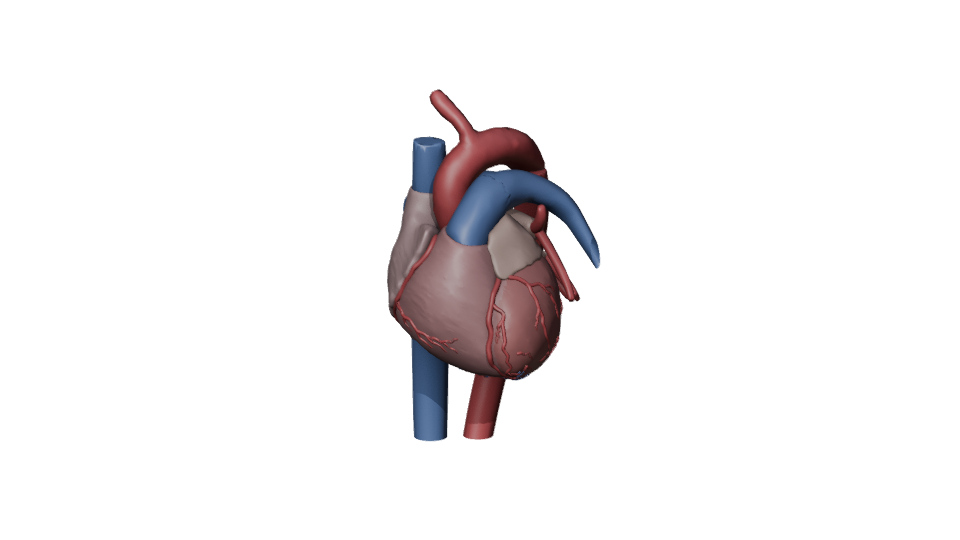 The Heart · real 3D model
Features
Learn it the way you will use it
Three things textbooks can't do.
Real 3D you can open
Real anatomical models, not drawings. Turn them, take them apart, and open a part to see the layers inside it.
Quizzes that teach
Every question has a hint. Say how sure you are, and the ones you miss come back first until they stick.
The nursing lens
Turn it on to see where it matters at the bedside: IM injection sites, where to listen to heart sounds, the CVA for kidney tenderness.
Packages
15 packages across A&P I and A&P II
Each package follows your course chapters, with its own 3D models, lessons, quizzes and nursing notes.
A&P I
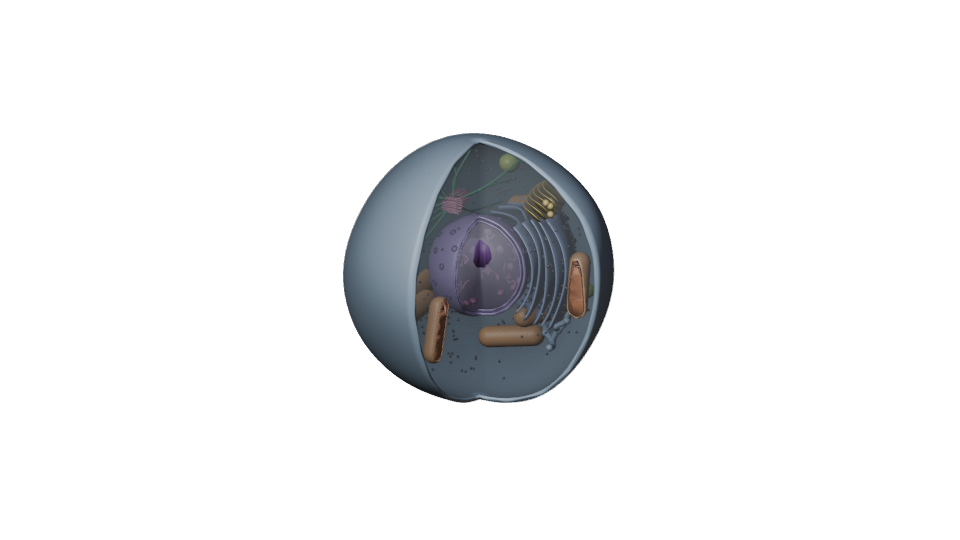 Foundations: Body, Chemistry & CellsIntroduction to A&P · Chemical Level of Organization · Cell Structure & FunctionFree lessonPLACEHOLDER
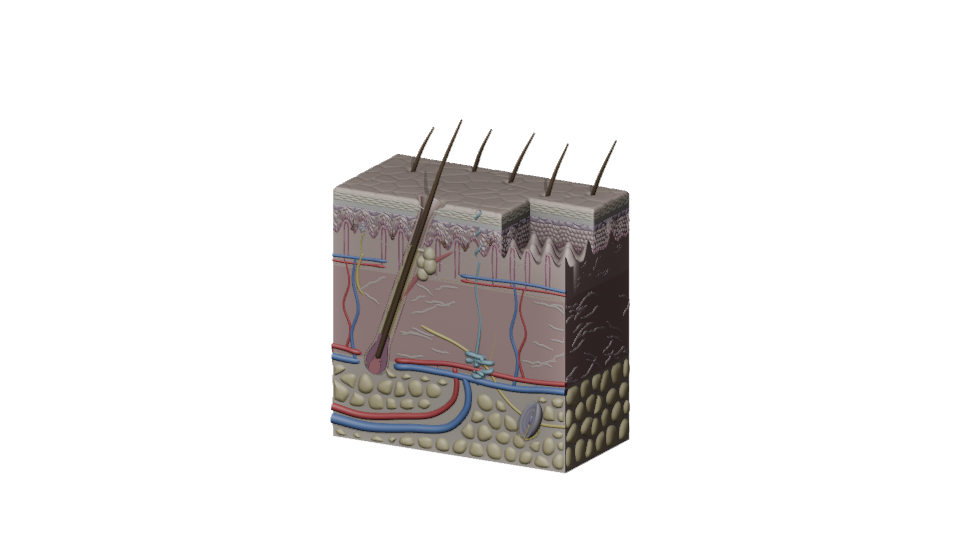 Tissues & Integumentary SystemTissue Level of Organization · Integumentary System
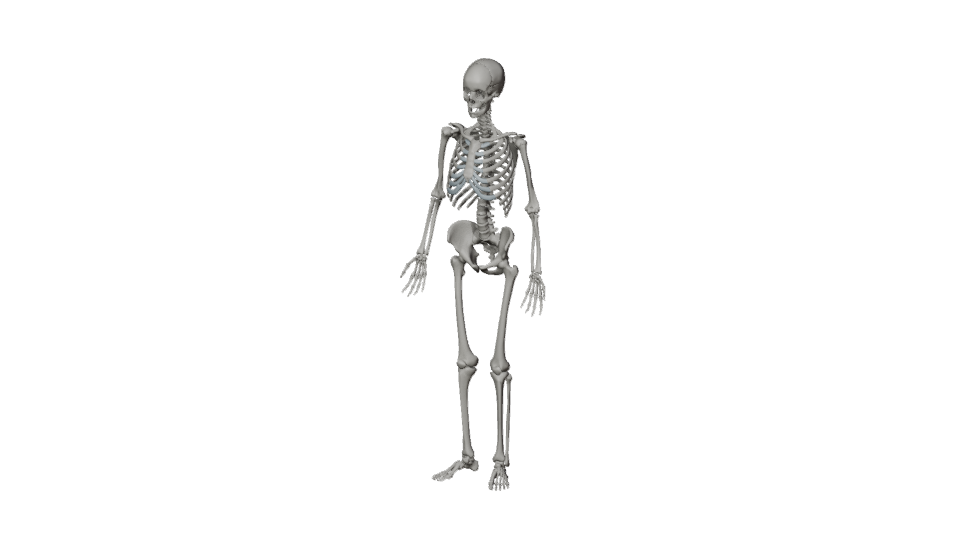 Bones & JointsBone Tissue & Skeletal System · Joints
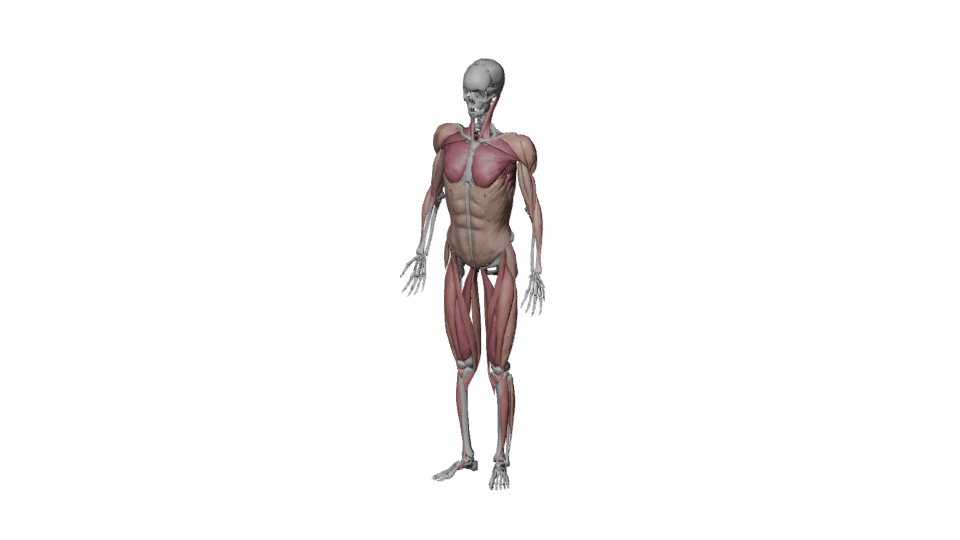 Muscular SystemMuscle Tissue · Muscular System
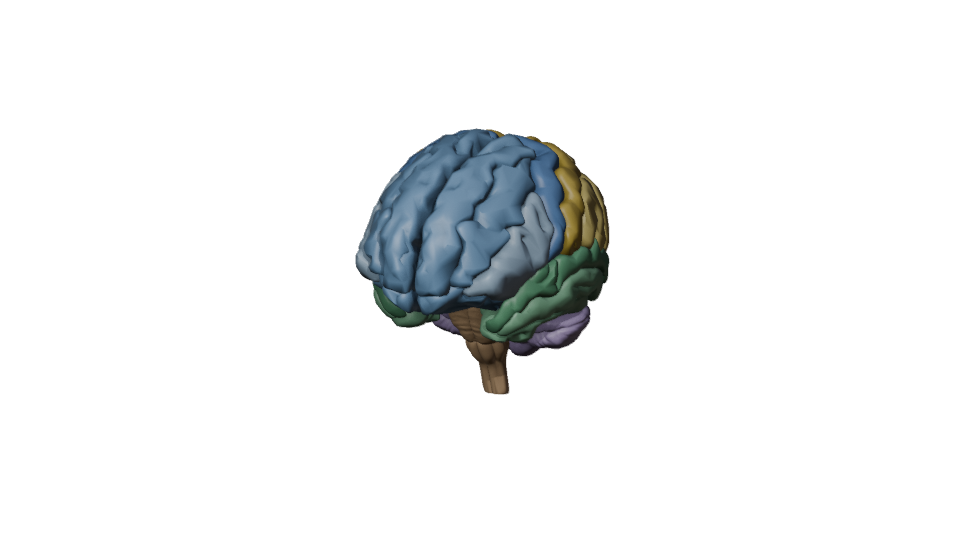 Nervous SystemNervous Tissue · Spinal Cord & Spinal Nerves · Brain & Cranial Nerves · Autonomic Nervous System
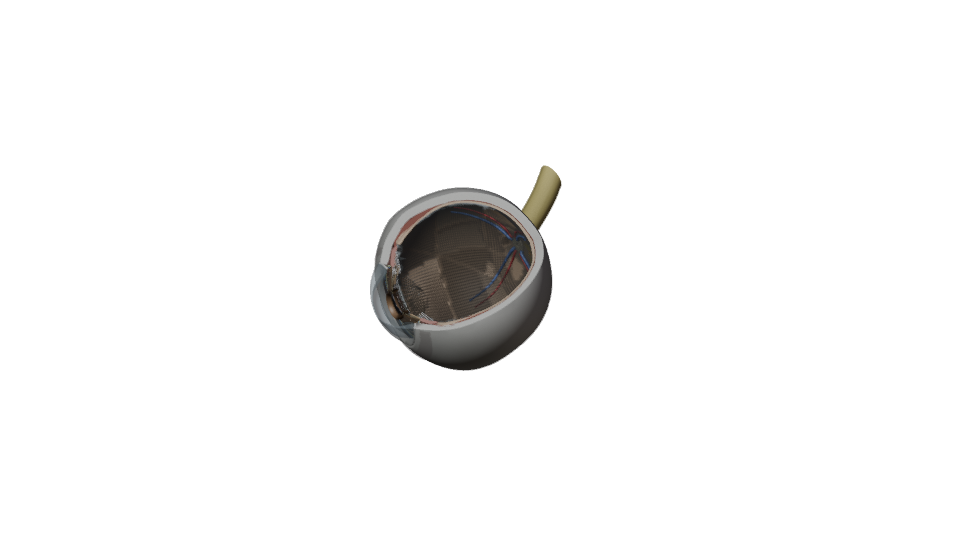 Special SensesThe Eye & Vision · The Ear: Hearing & Balance
A&P II
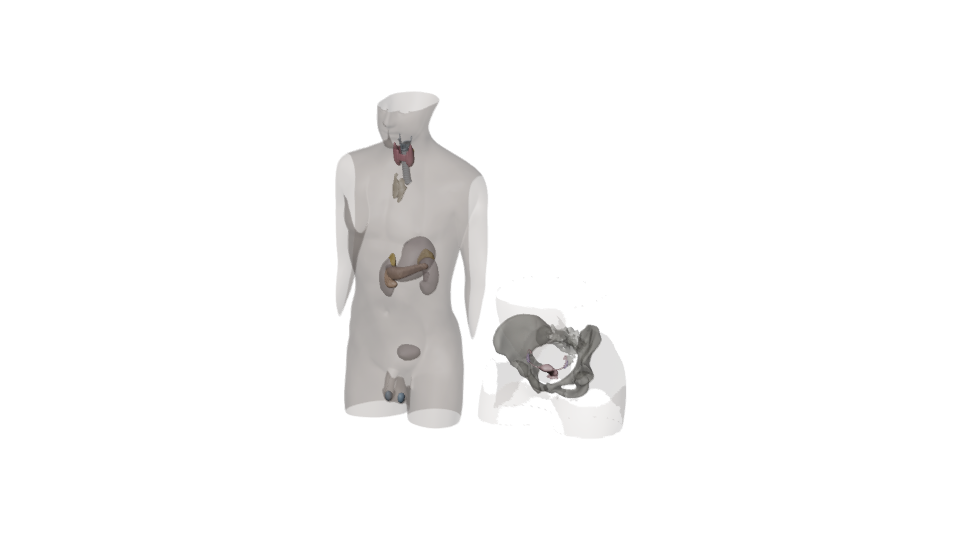 Endocrine SystemEndocrine System
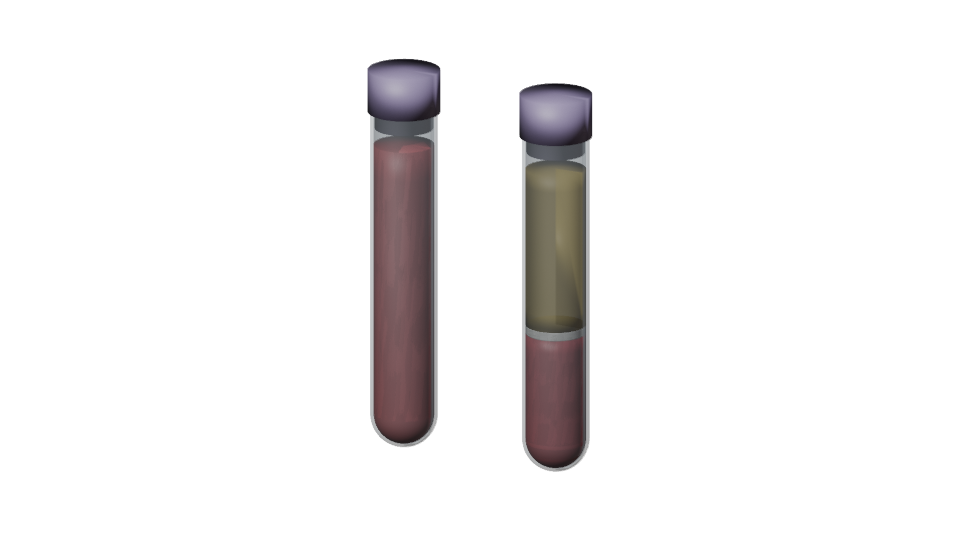 BloodBlood
- The HeartThe Heart
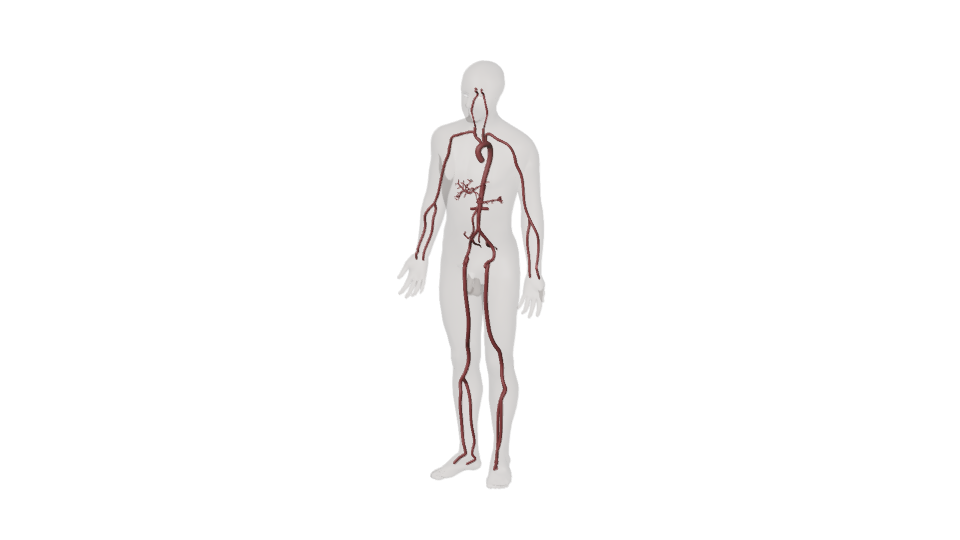 Blood Vessels & CirculationBlood Vessels & Circulation
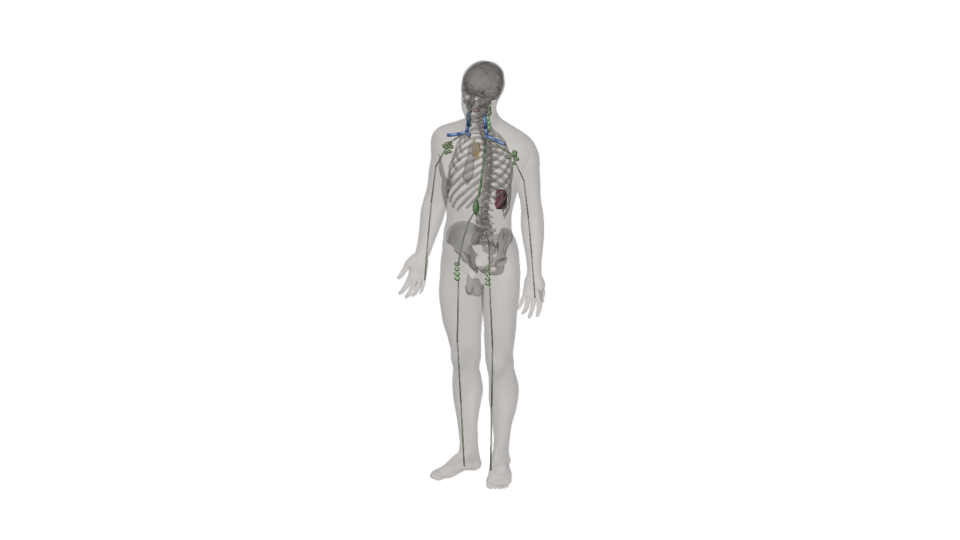 Lymphatic & Immune SystemLymphatic & Immune System
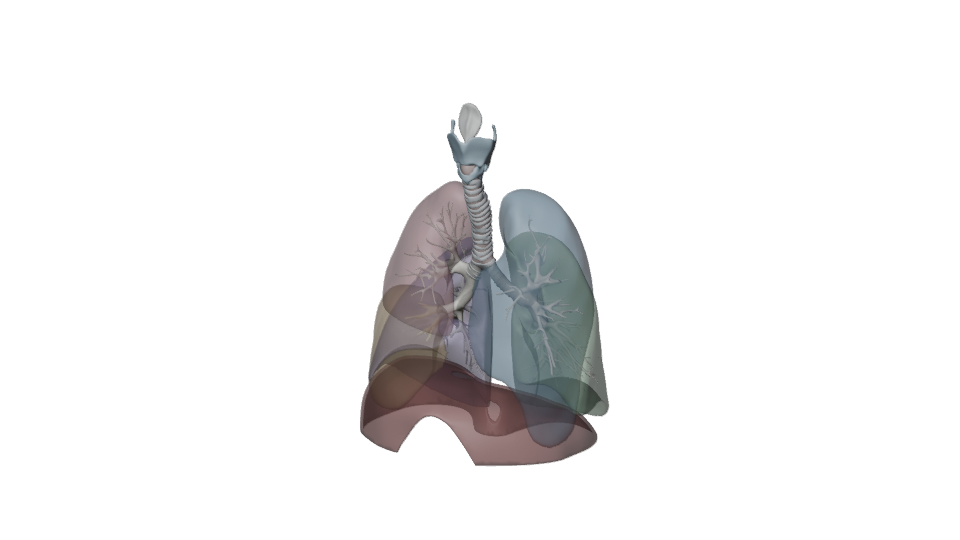 Respiratory SystemRespiratory System
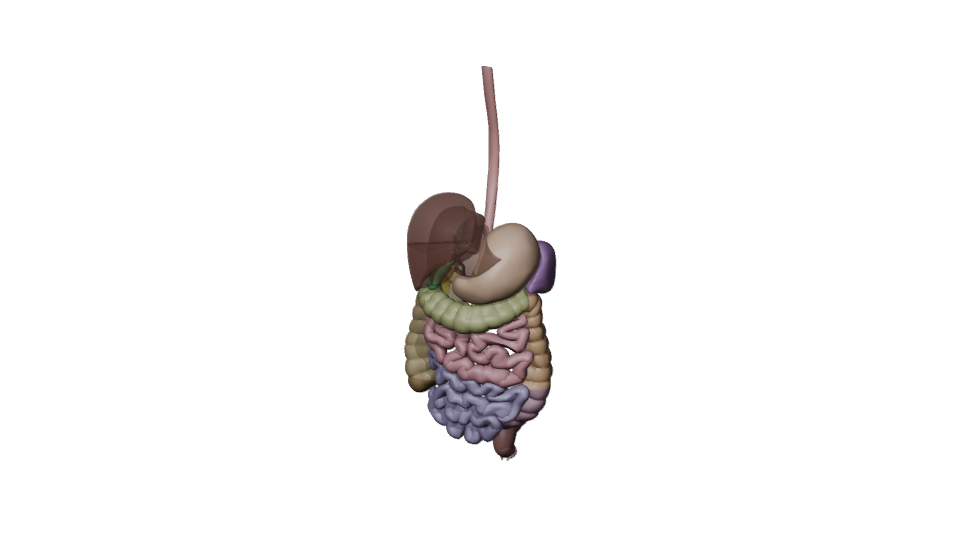 Digestive SystemDigestive System · Nutrition & Metabolism
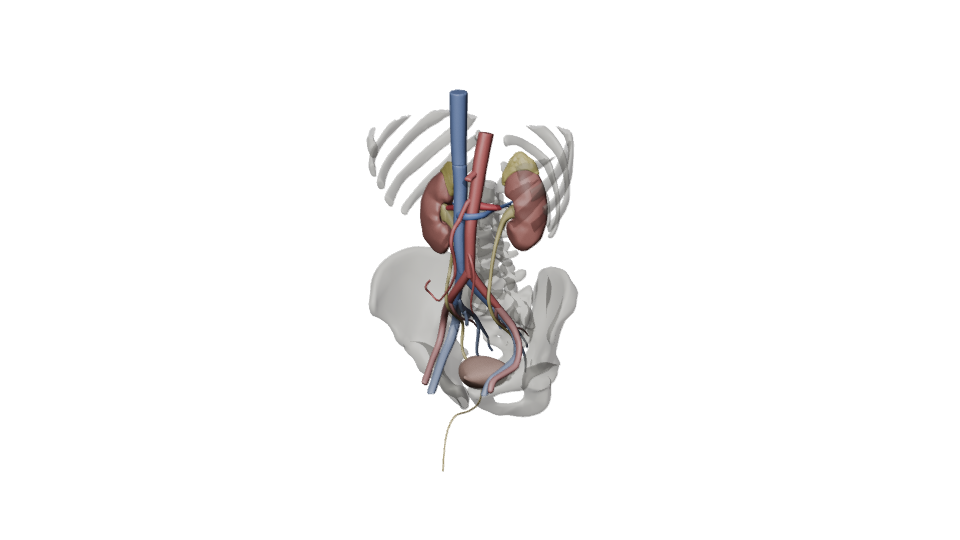 Urinary System & Fluid BalanceUrinary System · Fluid, Electrolyte & Acid–Base Balance
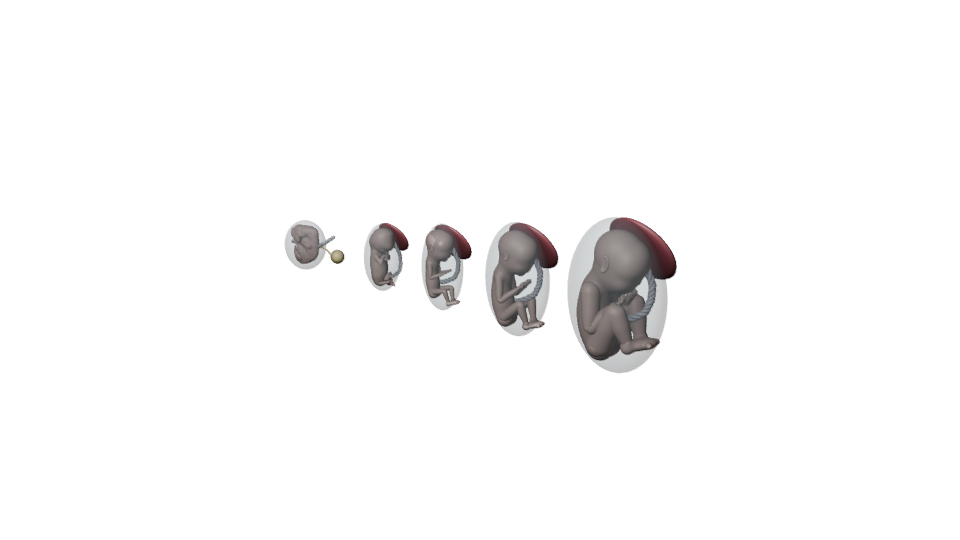 Reproductive System & DevelopmentReproductive System · Development & Pregnancy
Try it here
Turn a real model now
Drag to turn the skull, scroll or pinch to zoom, double-click to centre. On a phone, one finger turns it and two fingers zoom.
Open the full lesson →How it works
Three steps a session
- 1
Pick a package
Choose the chapter your class is on. Your progress is saved as you go.
- 2
Explore in 3D
Follow the guided tour or explore freely. Each part has the key facts and its nursing link.
- 3
Quiz yourself
A quick check after each lesson, and a full package check before your exam.
Pricing
Start free
Free (beta)
$0
Free while in beta
- 1–2 packages PLACEHOLDER
- 3D models and lessons
- Quizzes with hints
- Progress saved on this device
Student
Coming soon$— / month
Price not set yet
- All 15 packages
- All quizzes and package checks
- Progress synced across devices
- Notebook and flashcards
Tutor sessions
Coming soon$— / session
Price not set yet
- 1-on-1 with a nurse tutor
- Book a time that suits you
- Go through a topic or your questions
Who is behind it
Written for nursing students
Content is being reviewed by registered nurses
Every lesson and question is written for nursing students. While the review is in progress, items that have not been reviewed yet are marked as drafts.
Real anatomical models
3D anatomy derived from BodyParts3D, the HuBMAP Human Reference Atlas and NIH 3D, used under CC BY 4.0. See all credits.
FAQ
Questions
Is it free?
Yes, while ScrubAP is in beta. PLACEHOLDER What stays free after the beta, and the price of the full plan, is not decided yet.
Who writes the content?
Our team writes every lesson and question for nursing students. Registered nurses are reviewing it; anything not reviewed yet is marked as a draft.
Does it work on my phone?
Yes. One finger turns the 3D model, two fingers zoom, and the lesson sits in a panel under it.
Does it match my course?
It follows the usual A&P I and A&P II chapters: 6 packages for A&P I and 9 for A&P II.
Do I need an account?
No. Your progress is saved on your device. PLACEHOLDER Accounts that sync across devices are coming; sign-up details are not final.
Where do the 3D models come from?
From open scientific sources (BodyParts3D, the HuBMAP Human Reference Atlas and NIH 3D), and some built for ScrubAP. The credits page lists every source.